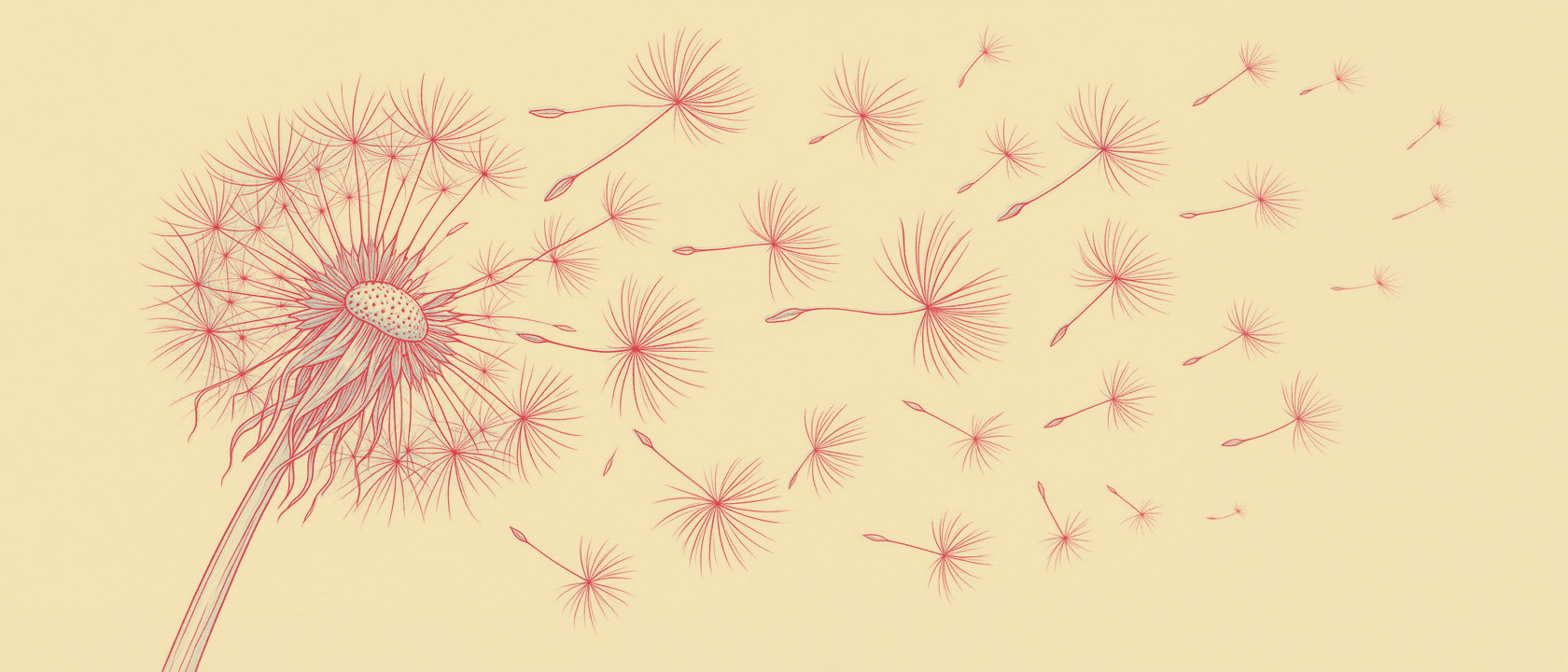
Fine-line is everywhere right now. Delicate florals, single-needle script, hairline geometry, the kind of work that looks like it was drawn holding your breath. Clients ask for it by name. Feeds are full of it. And it is the single hardest style to get out of a stencil with everything still attached.
Bold work forgives a lot. A traditional outline is thick enough that if the stencil loses a hair of weight, nobody will ever know. Fine-line has no such margin. The entire point of the style is lines thin enough to read as one clean pass of a single needle. So a stencil that thins those lines, drops them, or merges them doesn't just soften the piece. It takes it down. The drawing was perfect. The stencil is where it died.
If you've ever laid down a fine-line transfer and watched half the delicate stuff come up faint or missing, this is for you. The problem usually isn't your hand and it isn't your skin prep. It's that the file was never going to hold.
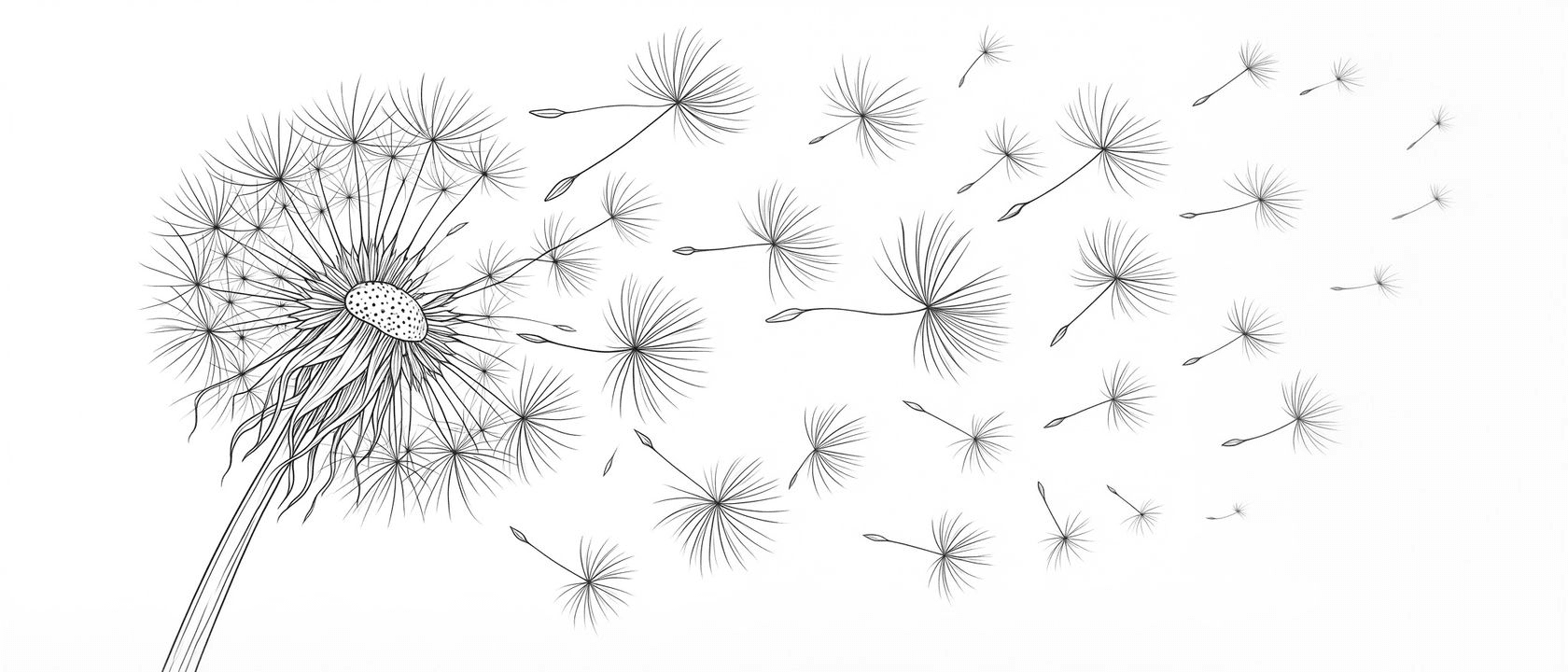
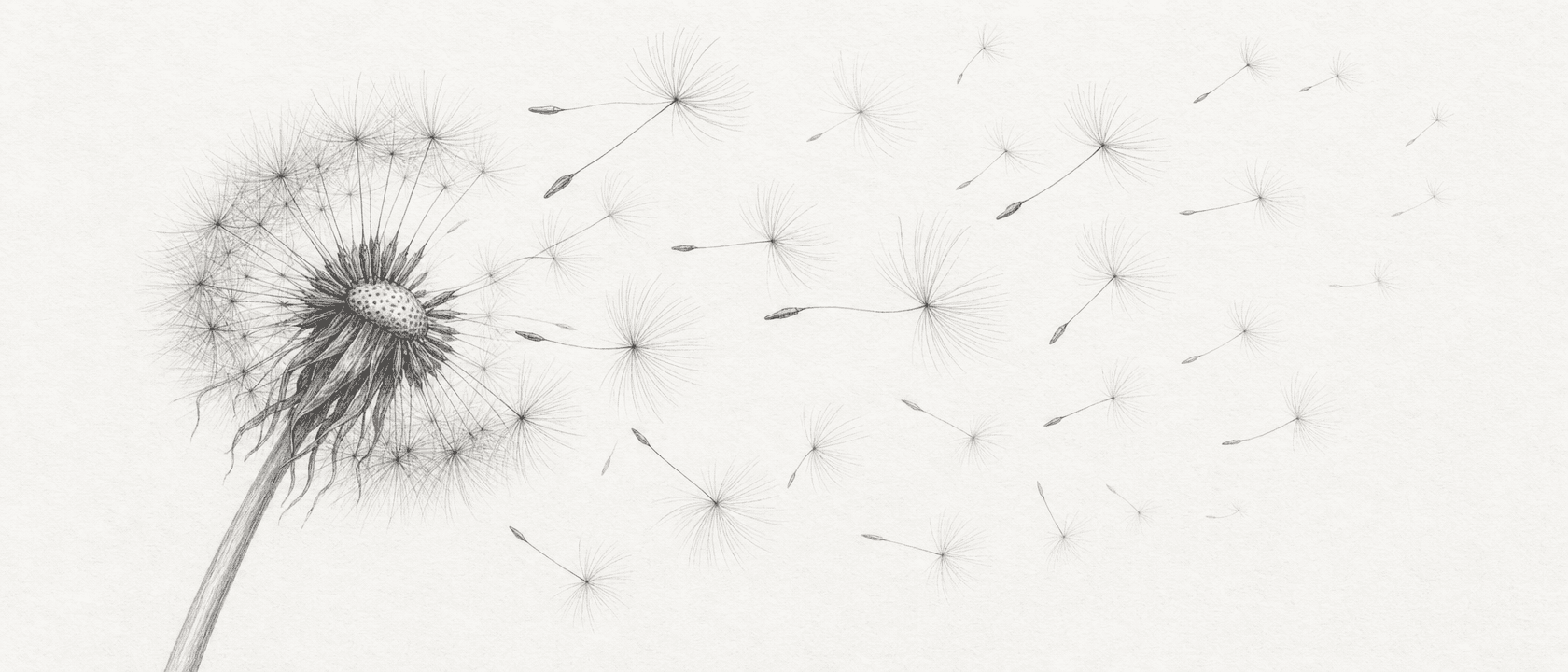
See it before we get into why. Drag the handle, or let it sweep, to watch a loose fine-line botanical become a transfer-ready stencil.
Why fine-line breaks stencils that handle everything else
A thermal stencil printer doesn't see your art the way your screen does. It can't render grey. It burns carbon where the image crosses a darkness threshold and does nothing where it doesn't. Black enough, you get a solid line. Anything short of that comes out faint, broken, or not at all. (We went deep on this in why your stencil won't transfer, and fine-line is where that threshold gets unforgiving.)
Now think about what fine-line is. Lines that are already as thin as you can draw them, sitting right at the edge of what the printer can resolve. A bold outline has room to spare above the threshold. A hairline lives on it. Shift it even slightly toward grey, or let it get a touch too thin, and it falls off the edge and disappears. The same file flaw that a bold piece shrugs off will gut a fine-line one.

What a fine-line stencil actually has to hold
Four things have to be true at once, and fine-line demands all of them harder than any other style:
True black, even at hairline width. A thin line printed at 70% grey is gone. The line has to be solid black across its whole length, not just in the thick spots. Thin and dark, not thin and faint.
Thinness that survives the print. There's a floor. Below a certain width the printer simply can't lay carbon down, and the line rounds to nothing. A good fine-line stencil keeps the lines as thin as possible while staying above that floor, instead of either fattening them up or letting them drop.
Separation so parallel lines don't fuse. Fine-line work loves tight, close strokes. Run them too close and the heat bleeds them into each other and a row of delicate lines fills in as a single dark band. The gaps have to stay open.
Resolution to keep curves clean. Fine-line curves have to stay curves. Too little resolution and a smooth sweep comes out as visible little stair-steps, which on a 2mm stem is the difference between elegant and rough.
Miss any one of these and the style falls apart. That's the bar fine-line sets that bolder work never does.
The flattening trap
Here's where most tools quietly betray a fine-line piece.
A generic photo-to-stencil converter does one thing: it finds the edges in your image and outputs a line. One line, one thickness, everywhere. It has no idea which strokes you meant to be whisper-thin and which you meant to read bold. So it averages. Your delicate hairlines get fattened up into something safely printable, and your few heavier accents get thinned down to match. The stencil transfers fine. It's just not your drawing anymore. It's a flattened cover version of it.
For fine-line, that's fatal, because line weight is the style. The whole identity of the piece is in those weights. Take a single-needle floral with feather-light petals and a slightly firmer stem, flatten it to one middling thickness, and you've erased the exact thing the client picked it for.
Keeping it intact means holding the weights you drew, line by line, instead of collapsing them to an average. That's not a setting you toggle once. It's control over line weight as a first-class part of making the stencil, so the hairlines stay hairlines, the accents stay accents, and the thing that prints is the thing you drew.

And yes, the rest of it is still craft
None of this replaces what you already know about fine-line on skin, and that part is real. Fine-line is single-needle or tight-liner work, light hand, one clean pass, because going back over a hairline to darken it is how you blow it out. The healed result is delicate by design, which is exactly why placement, client skin, and aftercare matter more here than on a chunky traditional piece. Some of those lines will soften as they age. That's the style, and it's a conversation worth having with the client up front.
That craft is yours. What we're talking about is everything that happens before the needle: making sure the file you transfer from actually carries the fine-line work you drew, instead of handing you a fattened, faded approximation and leaving you to fix it on the fly.
Keep the line yours
This is the part Line Ripper is built for. You bring your own fine-line art, your drawing, not something a generator invented, and you get a stencil made to hold it: true black instead of grey, thin lines kept thin instead of fattened, tight detail kept separate instead of merged, and line weight you set yourself instead of one flattened thickness. It runs in your browser, nothing to install, so the file is right before it ever reaches the thermal paper.
You can see exactly what that means in the image at the top of this post: a loose fine-line botanical on the left, the transfer-ready stencil on the right, with the delicate weights kept where they belong instead of averaged into mush.
Fine-line leaves no room for a stencil to lose the plot. Get a file that actually holds your hairlines, do the careful skin work you already know how to do, and the only thing standing between your drawing and clean fine-line on skin is your hand. Which is where it should be.